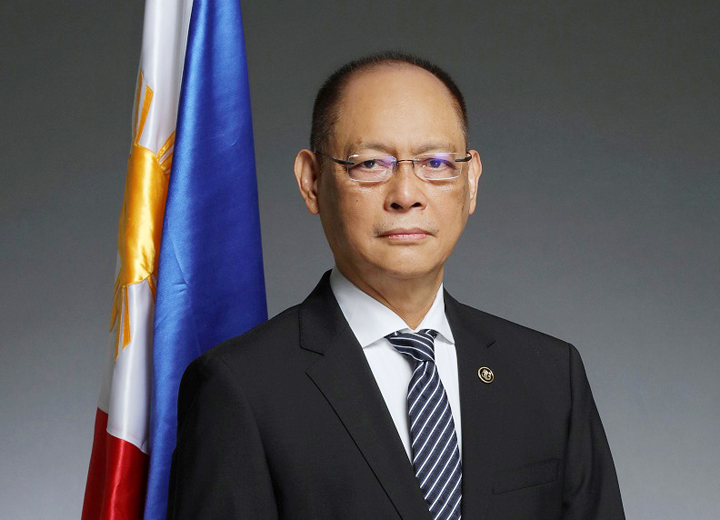
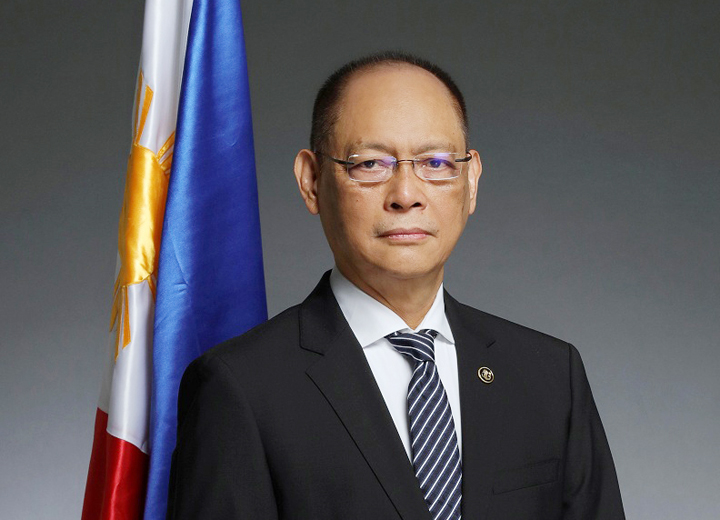
THE local banking sector continued to be “well-capitalized” amid rising bad loans and operational hits from the pandemic’s impact on the economy, the Bangko Sentral ng Pilipinas (BSP) chief said.
“Philippine banks have shown resilience to the Covid-19 crisis, benefiting from risk-management and other regulatory reforms of the past two decades,” BSP Governor Benjamin Diokno said in a virtual briefing on Tuesday.
Diokno said the local banking system’s capital adequacy ratio (CAR)—or the ratio of capital to risk-weighted assets—continues to be well-above the local and international standards.
In particular, Philippine banks’ CAR hit 17.1 percent on a solo basis and 16.6 percent on a consolidated basis at the end of last year. This further climbed to 17.4 percent on a solo basis and 16.8 percent on a consolidated basis in the first quarter of this year.
The Bank for International Settlements (BIS) prescribes a CAR level of 8 percent. The BSP, however, runs a tighter ship and implements a 10-percent minimum CAR requirement for banks in the Philippines.
Diokno said the local banking sector’s stability throughout the pandemic was aided in part by BSP’s regulatory relief measures for banks and their customers.
“The time-bound relief measures will be in place until such time that the new Financial Institutions Strategic Transfer (FIST) Act, signed earlier this year, becomes fully operational,” Diokno said.
Diokno also reported that the BSP’s support measures, together with the government’s pandemic response, have supported confidence and optimism in the banking industry.
In August, international credit watcher Moody’s Investors Service said banks in the country were found to have enough cushion to weather the current situation.
“Despite a spike in non-performing loans (NPLs) in the past 18 months, rated Philippines banks still have strong buffers against loan losses after proactively increasing loan-loss provisions in early 2020 in anticipation of increases in problem loans caused by the pandemic,” Moody’s earlier said.