SHORT-TERM investments made by foreign investors to the Philippines remained in the red in the first three months of the year, but have significantly improved from its state in 2020.
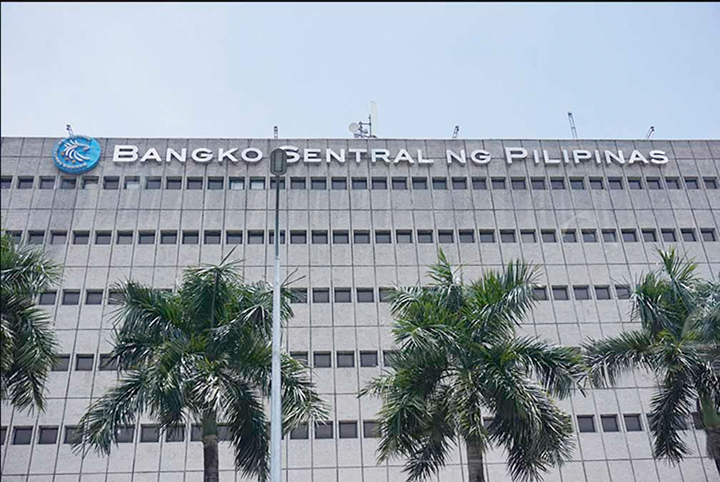
The Bangko Sentral ng Pilipinas (BSP) reported on Thursday a $483.45-million net outflow in foreign portfolio investments (FPI) in the first three months of the year.
While this is a reversal of the net inflows seen earlier this year, especially in January, it is a recovery compared to the $1.48-billion net outflows seen in the first three months of last year.
FPI are known as “hot” or “speculative” money because they are easily pulled in and out of the local platforms in the slight change of global and local sentiment.
This type of foreign investment is usually a measure of the global economy’s investing sentiment on the Philippines in short-term prospects for yields, in contrast to foreign direct investments (FDI) which are placed in the Philippines in search of long-term yield.
BSP attributed the lower FPI net outflows during the period to international and domestic developments such as the new US administration, vaccine rollout and the reimposition of additional quarantine measures amid the surge in virus infection.
For March alone, the hot money net outflows hit $540.97 million, higher than the previous month’s $40.41 million. Compared to last year however, it is an improvement from the $961.08-million net outflow.
The total FPI placed in the country during the month hit $824 million. However, these were more than offset by the withdrawals during the month at $1.37 million.
About 90.5 percent of investments registered were in PSE-listed securities, pertaining mainly to banks, property companies, holding firms, food, beverage and tobacco companies and transportation services firms.
The remaining 9.5 percent, meanwhile, went to investments in Peso government securities.
The United Kingdom, United States (US), Luxembourg, Switzerland and Hong Kong were the top 5 investor countries for the month, with combined share of 78.7 percent.
The US also received the bulk of the outflows at 61.6 percent of the total.