THE Department of Agriculture-Bureau of Animal Industry (DA-BAI) on Tuesday issued guidelines allowing the importation of processed animal proteins (PAPs) from countries affected with African swine fever (ASF) for aquatic feed use, sparking protests from local producers.
In memorandum circular (MC) 34, the DA-BAI said the ongoing conflict in Europe has greatly affected the country’s external source of feed wheat and other feed ingredients necessary for local aquaculture production.
Earlier, DA issued Memorandum Order (MO) 59 that authorized the importation of PAP even from countries with confirmed ASF outbreaks “subject to pertinent precautionary measures and guidelines.”
But the Samahang Industriya ng Agrikultura (SINAG) on Tuesday expressed concern on the issuance of MC 34.
“We find it strange and worrisome that a Memo Circular has been published, in the midst of the appeal,” said SINAG in a statement, referring to a pending appeal by their sector to President Ferdinand R. Marcos Jr.
“Until today, the local agriculture industry is in constant discussions with the Bureau of Animal Industry and the Office of the President with our concern on the importation of Processed Animal Protein (PAP) from ASF-infected countries,” it added.
According to SINAG, there is an ongoing appeal to the President by the whole livestock industry and allied sectors, including from an advisory body from the Office of the President-the National Advisory Committee for Animal Disease Control and Emergency (NAC ADCE).
“Equally unusual, if true, is the information that the publication of the BAI Memo Circular were funded, not from BAI funds. There are also legal questions on the memo itself. Parang minadali talaga [It seems it was really rushed],” it said.
The new MC 34 said President Ferdinand Marcos Jr., concurrent secretary of the Agriculture department, issued to the BAI an instruction to prescribe the guidelines in the importation of PAP from countries still affected by the ASF for aquatic feed used, as alternative source of this commodity and to prevent further serious impact on the aquaculture sector.
PAP is a high-value protein supplement derived from animal by-products of slaughterhouses and is used in the manufacture of feed products.
The MC said the sourcing of PAPs from countries affected with ASF was considered, with the associated risk relative to its importation thoroughly evaluated in accordance with Section 2 of WOAH Terrestrial Animal Health Code of 2021. The appropriate mitigation processes were put in place, said the MC.
With this, DA-BAI said it was assured that the risk of transmission of ASF virus through the inclusion of PAP in aquatic feed diet is low.
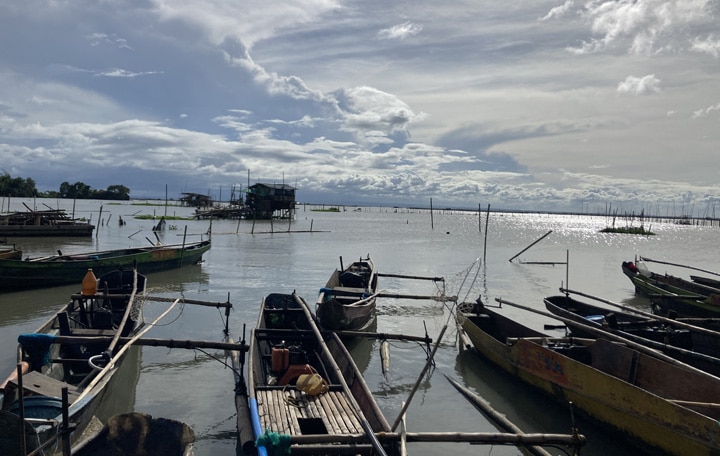
According to DA-BAI, the Philippines is one of the largest producers in aquaculture at the global level, with significant access to the international market, and one of the main drivers of the country’s agriculture economy with more than 2 million registered fisherfolk nationwide.
To sustain the local aquaculture industry, the DA-BAI said adequate supply of feed products such as PAP, used as raw material in the aquaculture feed manufacture, is crucial.
Stable supply
Meanwhile, the food security and livelihood advocacy group Tugon Kabuhayan said on Tuesday the renewed importation of processed animal proteins used as fish feeds would ensure the stable supply of fish in the low-stock season from November to January.
The group said PAPs are vital ingredients in fish farming, especially after the devastating effects of Typhoon Paeng and the upcoming closed fishing season, which will reduce sea-catch supply by about 15,000 metric tons monthly from November 2022 to January 2023.
Image credits: Pamalakaya