SENATE probers on Tuesday focused on the huge loss to taxpayers from the gross miscalculation by health and budget officials who bought millions of face masks and face shields now stuck in warehouses, per state auditors, because local hospitals and government units refuse to buy them at an “overprice.”
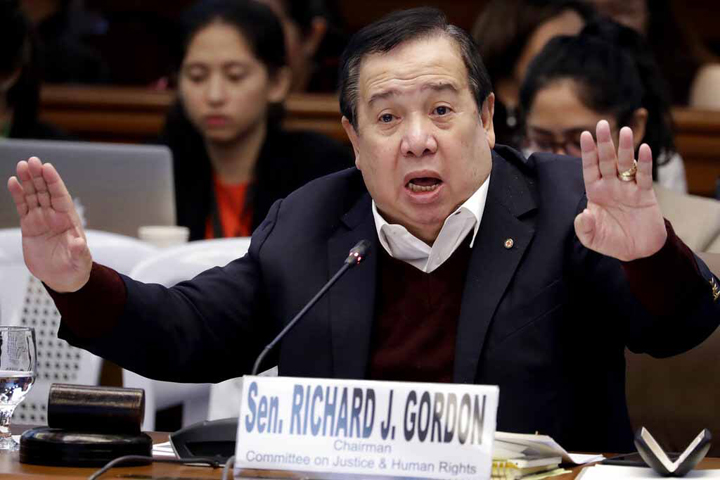
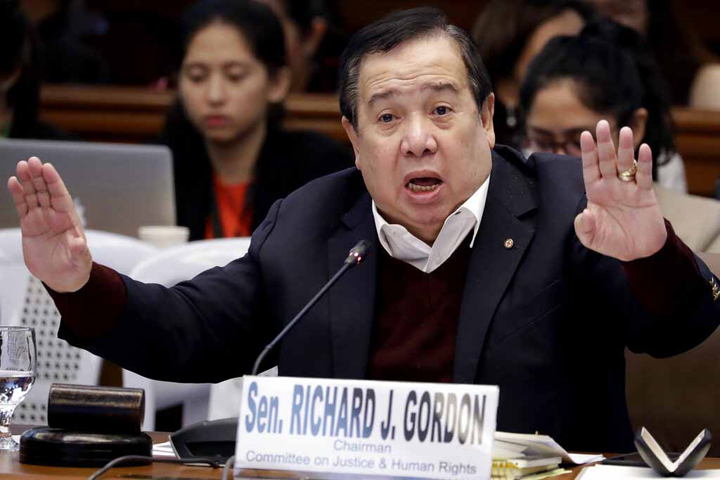
Sen. Richard Gordon, presiding at the fourth Blue Ribbon Committee hearing on alleged “deficiencies” in P62 billion of the Department of Health’s pandemic response, said this was a classic case of “government being double-booked” because DOH funds were already used, through the Procurement Service of the Department of Budget and Management (PS-DBM), to buy the personal protective equipment (PPE), and yet regional and district hospitals must still buy the items —at much higher price tags than current prices—from PS-DBM.
The Commission on Audit (COA) earlier included this issue in its report on 2020 fund use by DOH, noting the reluctance of local health institutions to buy at the steep prices from PS-DBM when they could buy these much cheaper from local suppliers “just across the street.”
Sen. Panfilo Lacson said the original sin obviously lay in a March 9, 2020 Government Procurement Policy Board (GPPB) resolution that suddenly reclassified the PPE items as “common use supplies and equipment” (CUSE), thus allowing the DOH to outsource purchase of such items to the controversial PS-DBM that senators had described as a “mega parking lot” for funds.
CUSE items in the past were coursed through PS-DBM so the entire government can buy at competitive prices such items universally used by state agencies—paper clips, office paper supplies, ink, ballpens —and the individual agencies can then buy from the PS-DBM.
Senators’ concern was raised by the reclassification as “common use” of the PPEs, when in fact, these are supposed to be exclusive purchases by the DOH.
Sen. Francis Pangilinan even noted that the March 2020 GPPB resolution “did not even include face shields” among those PPE items reclassified as “common use,” and yet the DOH, through PS-DBM, already bought millions of them from what are suspected as favored suppliers.
One such supplier, Pharmally Pharmaceutical Corp., which bagged P8 billion in PPE contracts, has been linked to former presidential adviser and friend Michael Yang.
The Blue Ribbon had been unable to track down Yang in past hearings.
Weighing in on the potential humongous losses to government—as a result of the DOH’s being stuck with millions of PPE items bought by PS-DBM that local health entities now refuse to buy—Senate President Vicente Sotto III said, “I leave it to the wisdom of the COA” to make a judgment on how this questionable setup can be reformed.
Addressing Gordon, Sotto suggested that the matter be “one of the points for legislation” arising from the Blue Ribbon inquiry.
Sotto said he was dumbfounded by the notion that “tayo rin ang tindero [we are also the vendors]” of items that the government bought for its use, but must now sell to itself.
Minority Leader Franklin Drilon, in turn questioned Health Secretary Francisco Duque: “Why is it that you purchase your own supplies?” after Duque replied that after PS-DBM procured the supplies, the owner of the assets is the DOH.
Puzzled, Drilon noted that DOH, having allowed PS-DBM to use its money, now buys back the supplies at a higher price, and after paying 4 percent in commission to PS-DBM.
At the same time, Drilon asserted that the P42-billion fund transfer from DOH to PS-DBM, without a memorandum of agreement, was questionable. It was flagged by the COA.