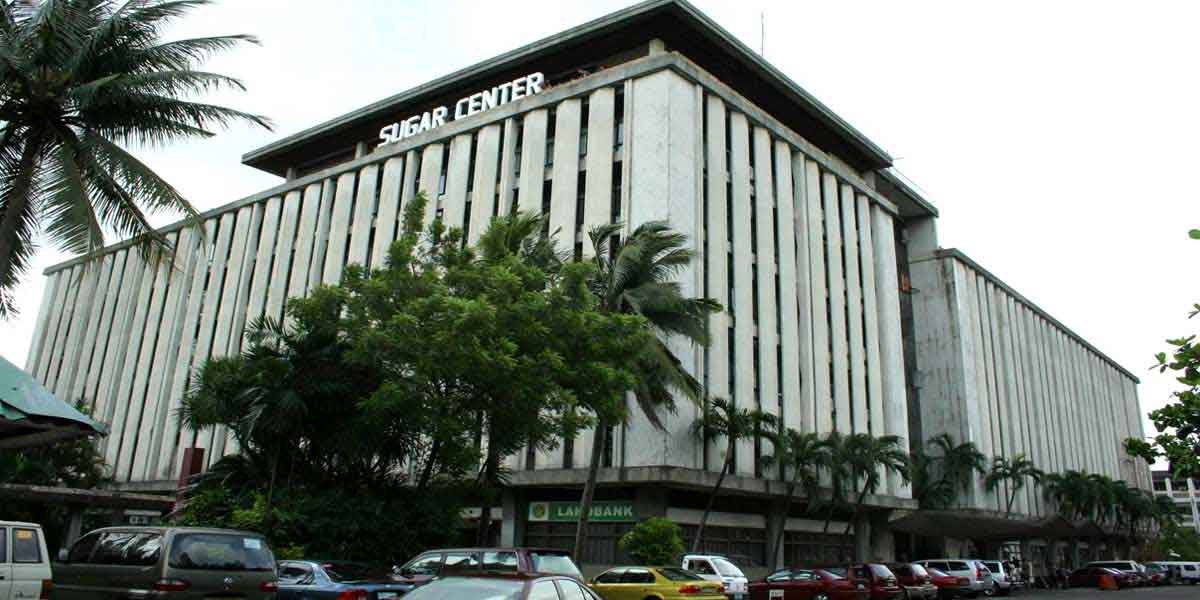
BACOLOD CITY — A major labor coalition has accused the Sugar Regulatory Administration (SRA) of neglect and opacity over delays in authorizing sugar exports to the United States, prompting a sharp rebuttal from the agency which insists proper procedures were followed.
The National Congress of Unions in the Sugar Industry of the Philippines–Trade Union Congress of the Philippines (NACUSIP-TUCP) said in a Jan. 15 statement that months-long delays and lack of public disclosure surrounding the sugar export order pushed farmers, workers, and agrarian reform beneficiaries into deep economic uncertainty.
The group denounced the inaction as a “betrayal” by the SRA, saying that small producers bore the brunt of falling sugar prices while “the privileged few” were insulated from mismanagement.
“This is not just an administrative lapse. It is an outright betrayal by the very agency that is supposed to protect the interests of the sugar industry’s backbone — the workers, farmers, and agrarian reform beneficiaries,” NACUSIP-TUCP said.
The criticism centered on the absence of a publicly available Sugar Order authorizing the export of 100,000 metric tons of sugar to the U.S. market under the country’s tariff-rate quota (TRQ) allocation.
NACUSIP-TUCP said the SRA’s lack of timely communication worsened price volatility and accused it of shielding elite industry actors from accountability.
The group warned that if “institutional reform within the SRA proves impossible, then perhaps a reorganization of the Sugar Board is in order.”
SRA Administrator Luis Pablo Azcona rejected the accusations as “premature” and “misinformed,” saying the delay stemmed from standard internal processes and the timeline for official publication.
“To claim that SRA lacks transparency is quite premature and shows ignorance of industry processes that they’re supposed to already know,” Azcona said.
He explained that the Sugar Order authorizing exports was approved by the Sugar Board on Jan. 9, transmitted to the University of the Philippines’ Law Center for official recording on Jan. 12, and has since been published on the SRA’s website.
That publication contradicts NACUSIP-TUCP’s assertion that no such order existed at the time of its press release.
Azcona emphasized that the agency could not release the order to the public before it completed administrative steps, including the required filing with the UP Law Center.
The SRA also provided a policy timeline dating back to consultations in April and June 2025. According to the agency, the decision to authorize exports came amid higher-than-expected production and pressure on millgate prices, even as the local market still faced a refined sugar shortfall.
Azcona said industry stakeholders, including the Confederation of Sugar Producers Associations (CONFED) and the Philippine Sugar Millers Association (PSMA), were consulted in the process, though some later withdrew their support.
He also pushed back against recent remarks by Negros Occidental Gov. Eugenio Jose Lacson, who proposed importing raw sugar. Azcona said the governor made the
statement without prior consultation with the SRA, adding that such imports could further depress domestic prices.
The export order was issued following Agriculture Secretary Francisco Tiu Laurel’s earlier announcement that exports would proceed if the government’s “no import” policy failed to improve prices by Jan. 8 — a benchmark the SRA said triggered the decision to authorize exports.
Despite the SRA’s clarification, NACUSIP-TUCP said the order’s eventual publication does little to remedy the hardship already inflicted on workers and farmers due to prolonged inaction.
“Backpedaling by publishing the order after the fact cannot erase the months of anxiety and financial instability suffered by the sugar industry’s most vulnerable,” the labor group said.
The group added that the controversy highlights a deeper problem: “systemic arrogance, incompetence, and disregard for meaningful criticism” within the regulatory agency.
As of press time, both sides remain firmly at odds. The SRA maintains that protocol was followed and transparency upheld. NACUSIP-TUCP counters that procedural compliance does not excuse the damage caused by silence and delay — a cost, they say, the industry’s least privileged can no longer afford. (Dolly Yasa via tdg photo by tdg)